


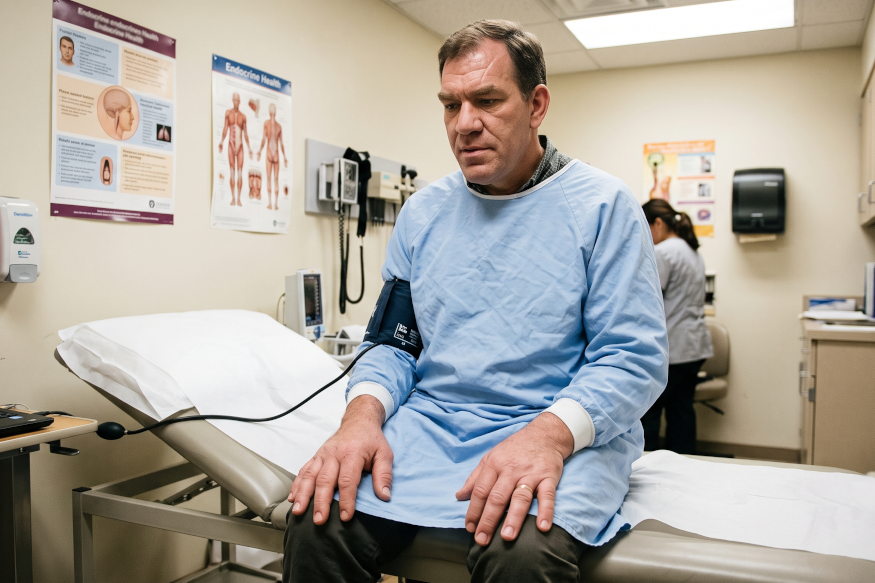
Acromegaly diagnosis is often delayed approximately 4.5-5 years, although delays vary widely and may exceed 10 years in some patients. The disease affects an estimated 25,000 people in the US, with roughly 3,000 new cases annually, and more than half of new diagnoses are initially made by primary care physicians, internists, and gynecologists rather than specialists. Because acral or facial changes develop gradually and may be overlooked until later in the disease course, recognizing the characteristic comorbidity cluster and documenting clinically supported GH-related complications are important opportunities for earlier intervention and more accurate care.
AAVBC's Acromegaly Quick Reference Guide equips primary care clinicians and care teams with a comprehensive, evidence-aligned reference covering ICD-10 E22.0 coding and required companion codes, HCC 51 RAF mapping, etiology-specific comorbidity coding, IGF-1 and OGTT diagnostic workup, geriatric risk factors, cancer surveillance for colonic and thyroid neoplasia, MEAT documentation standards, and treatment and referral pathways. Grounded in Endocrine Society guidance, this guide supports consistent, individualized clinical decision-making, helping care teams recognize the comorbidity cluster that should trigger an IGF-1 test and document clinically supported GH-related complications accurately.
AAVBC’s Deep-Dive series offers a comprehensive, structured analysis of acromegaly — moving far beyond quick-reference essentials. These guides provide an integrated review of epidemiology, diagnostic strategy, staging, coding logic, MEAT-aligned documentation examples, treatment guidelines, review vulnerabilities, and cost-utilization considerations. The Deep-Dive combines evidence-informed clinical guidance with practical operational tools to support a deeper understanding of disease complexity and provide multidisciplinary teams with strategies to thrive within value-based frameworks.



Acromegaly diagnosis is often delayed approximately 4.5-5 years, although delays vary widely and may exceed 10 years in some patients. The disease affects an estimated 25,000 people in the US, with roughly 3,000 new cases annually, and more than half of new diagnoses are initially made by primary care physicians, internists, and gynecologists rather than specialists. Because acral or facial changes develop gradually and may be overlooked until later in the disease course, recognizing the characteristic comorbidity cluster and documenting clinically supported GH-related complications are important opportunities for earlier intervention and more accurate care.
AAVBC's Acromegaly Quick Reference Guide equips primary care clinicians and care teams with a comprehensive, evidence-aligned reference covering ICD-10 E22.0 coding and required companion codes, HCC 51 RAF mapping, etiology-specific comorbidity coding, IGF-1 and OGTT diagnostic workup, geriatric risk factors, cancer surveillance for colonic and thyroid neoplasia, MEAT documentation standards, and treatment and referral pathways. Grounded in Endocrine Society guidance, this guide supports consistent, individualized clinical decision-making, helping care teams recognize the comorbidity cluster that should trigger an IGF-1 test and document clinically supported GH-related complications accurately.
AAVBC’s Deep-Dive series offers a comprehensive, structured analysis of acromegaly — moving far beyond quick-reference essentials. These guides provide an integrated review of epidemiology, diagnostic strategy, staging, coding logic, MEAT-aligned documentation examples, treatment guidelines, review vulnerabilities, and cost-utilization considerations. The Deep-Dive combines evidence-informed clinical guidance with practical operational tools to support a deeper understanding of disease complexity and provide multidisciplinary teams with strategies to thrive within value-based frameworks.