


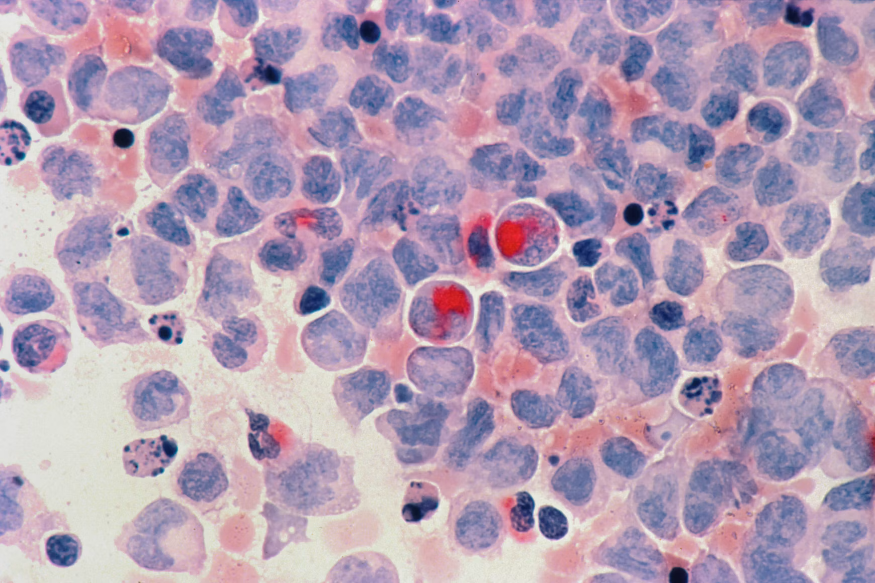
Acute leukemia is among the most rapidly progressing hematologic malignancies, with approximately 22,010 new AML diagnoses and 6,500 new ALL diagnoses expected annually in the United States. The disease disproportionately affects older adults, with a median AML diagnosis age of 68-69 years, and five-year overall survival falls from approximately 62% in patients under 50 to just 9.4% in those aged 65 and older. Timely recognition, accurate subtype classification, and complete documentation of remission status are among the most consequential clinical actions available to primary care and care teams managing this population.
AAVBC's Acute Leukemia Quick Reference Guide equips clinicians and care teams with a comprehensive, evidence-aligned reference covering ICD-10 subtype coding for AML and ALL, remission status documentation requirements, diagnostic criteria, recognition of subtle early signs, red flags for urgent referral, MEAT documentation standards, therapy escalation criteria, comorbidity screening, and survivorship coding. Grounded in current NCCN and ASH guideline evidence, this guide supports consistent, individualized clinical decision-making, helping care teams recognize disease complexity early, document clinical status accurately, and coordinate care with the continuity that durable outcomes require.
AAVBC’s Deep-Dive series offers a comprehensive, structured analysis of acute leukemia— moving far beyond quick-reference essentials. These guides provide an integrated review of epidemiology, diagnostic strategy, staging, coding logic, MEAT-aligned documentation examples, treatment guidelines, review vulnerabilities, and cost-utilization considerations. The Deep-Dive combines evidence-informed clinical guidance with practical operational tools to support a deeper understanding of disease complexity and provide multidisciplinary teams with strategies to thrive within value-based frameworks.



Acute leukemia is among the most rapidly progressing hematologic malignancies, with approximately 22,010 new AML diagnoses and 6,500 new ALL diagnoses expected annually in the United States. The disease disproportionately affects older adults, with a median AML diagnosis age of 68-69 years, and five-year overall survival falls from approximately 62% in patients under 50 to just 9.4% in those aged 65 and older. Timely recognition, accurate subtype classification, and complete documentation of remission status are among the most consequential clinical actions available to primary care and care teams managing this population.
AAVBC's Acute Leukemia Quick Reference Guide equips clinicians and care teams with a comprehensive, evidence-aligned reference covering ICD-10 subtype coding for AML and ALL, remission status documentation requirements, diagnostic criteria, recognition of subtle early signs, red flags for urgent referral, MEAT documentation standards, therapy escalation criteria, comorbidity screening, and survivorship coding. Grounded in current NCCN and ASH guideline evidence, this guide supports consistent, individualized clinical decision-making, helping care teams recognize disease complexity early, document clinical status accurately, and coordinate care with the continuity that durable outcomes require.
AAVBC’s Deep-Dive series offers a comprehensive, structured analysis of acute leukemia— moving far beyond quick-reference essentials. These guides provide an integrated review of epidemiology, diagnostic strategy, staging, coding logic, MEAT-aligned documentation examples, treatment guidelines, review vulnerabilities, and cost-utilization considerations. The Deep-Dive combines evidence-informed clinical guidance with practical operational tools to support a deeper understanding of disease complexity and provide multidisciplinary teams with strategies to thrive within value-based frameworks.