


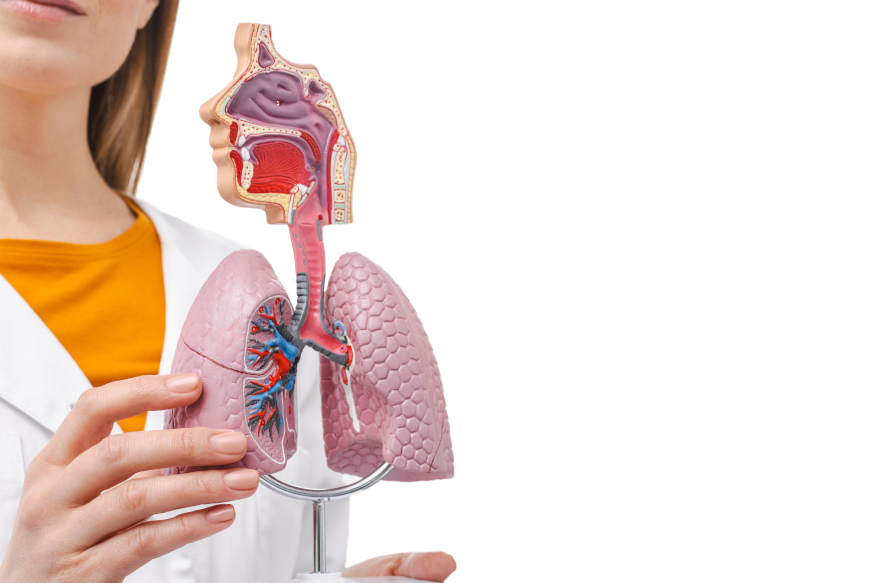
Idiopathic pulmonary fibrosis carries a median survival of approximately 3-5 years from diagnosis, comparable to many advanced cancers, yet diagnosis is routinely delayed by 1-2 years from symptom onset due to overlap with COPD, asthma, and heart failure. An estimated 130,000-200,000 individuals are living with IPF in the United States, with 30,000-40,000 new cases diagnosed each year, predominantly in adults aged 70-79. Early recognition, subtype differentiation, and timely escalation to antifibrotic therapy are among the most consequential clinical actions available to primary care teams managing this population.
AAVBC's Pulmonary Fibrosis Quick Reference Guide equips primary care clinicians and care teams with a comprehensive, evidence-aligned reference covering HCC/ICD-10 coding specificity for IPF and fibrotic ILD subtypes, HRCT and multidisciplinary discussion documentation requirements, pulmonary function testing thresholds, antifibrotic therapy escalation criteria, oxygen qualification standards, comorbidity screening, and MEAT documentation standards. Grounded in current ATS, ERS, and JRS guideline evidence, this guide supports consistent, individualized clinical decision-making, helping care teams move from passive observation to early recognition, document diagnostic complexity completely, and coordinate care with the continuity that durable outcomes require.
AAVBC’s Deep-Dive series offers a comprehensive, structured analysis of pulmonary fibrosis — moving far beyond quick-reference essentials. These guides provide an integrated review of epidemiology, diagnostic strategy, staging, coding logic, MEAT-aligned documentation examples, treatment guidelines, review vulnerabilities, and cost-utilization considerations. The Deep-Dive combines evidence-informed clinical guidance with practical operational tools to support a deeper understanding of disease complexity and provide multidisciplinary teams with strategies to thrive within value-based frameworks.



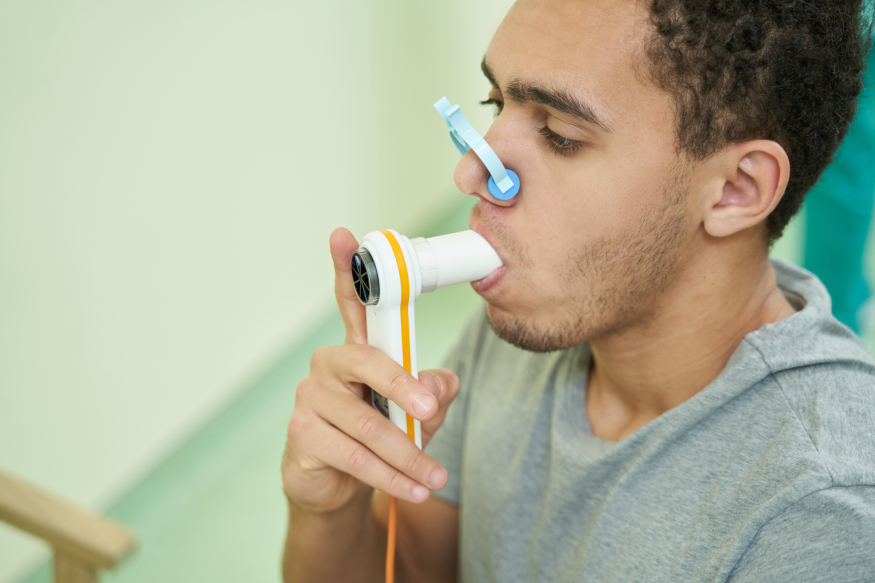

Idiopathic pulmonary fibrosis carries a median survival of approximately 3-5 years from diagnosis, comparable to many advanced cancers, yet diagnosis is routinely delayed by 1-2 years from symptom onset due to overlap with COPD, asthma, and heart failure. An estimated 130,000-200,000 individuals are living with IPF in the United States, with 30,000-40,000 new cases diagnosed each year, predominantly in adults aged 70-79. Early recognition, subtype differentiation, and timely escalation to antifibrotic therapy are among the most consequential clinical actions available to primary care teams managing this population.
AAVBC's Pulmonary Fibrosis Quick Reference Guide equips primary care clinicians and care teams with a comprehensive, evidence-aligned reference covering HCC/ICD-10 coding specificity for IPF and fibrotic ILD subtypes, HRCT and multidisciplinary discussion documentation requirements, pulmonary function testing thresholds, antifibrotic therapy escalation criteria, oxygen qualification standards, comorbidity screening, and MEAT documentation standards. Grounded in current ATS, ERS, and JRS guideline evidence, this guide supports consistent, individualized clinical decision-making, helping care teams move from passive observation to early recognition, document diagnostic complexity completely, and coordinate care with the continuity that durable outcomes require.
AAVBC’s Deep-Dive series offers a comprehensive, structured analysis of pulmonary fibrosis — moving far beyond quick-reference essentials. These guides provide an integrated review of epidemiology, diagnostic strategy, staging, coding logic, MEAT-aligned documentation examples, treatment guidelines, review vulnerabilities, and cost-utilization considerations. The Deep-Dive combines evidence-informed clinical guidance with practical operational tools to support a deeper understanding of disease complexity and provide multidisciplinary teams with strategies to thrive within value-based frameworks.