


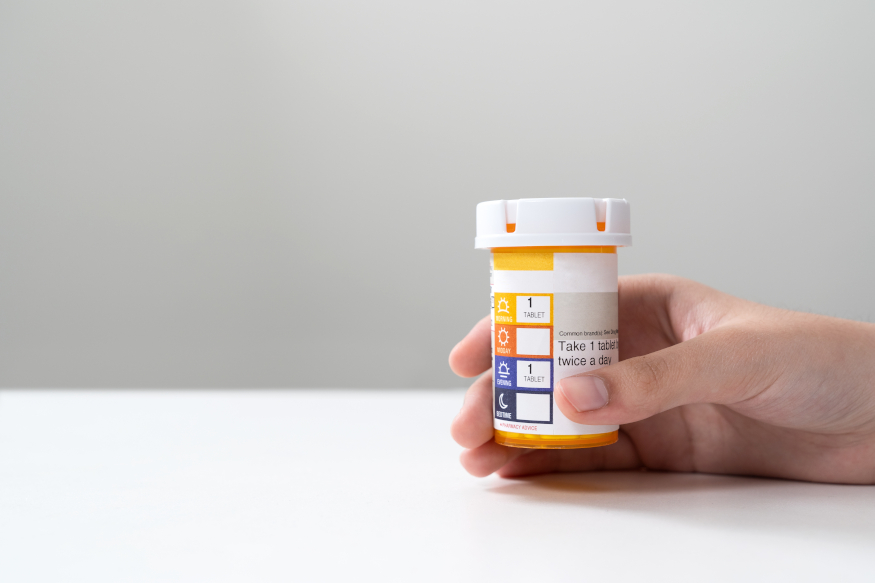
Benzodiazepine prescribing in the older adult population is rising — up 82% between 2017 and 2023 — at a time when it has declined nationally. Approximately 5.7 million Americans aged 65 and older used benzodiazepines in 2023, and among those taking them for three months or longer, 45% met DSM criteria for dependence. Long-term use is the norm, not the exception. The clinical challenge is compounded by what makes this disorder unique among substance use conditions: abrupt cessation can precipitate seizures, delirium, and death. Tapering is not optional — it is the standard of care.
AAVBC's Sedative, Hypnotic and Anxiolytic Use Disorder Quick Reference Guide gives primary care clinicians a structured reference for identifying, documenting, and safely managing benzodiazepine and Z-drug use disorder in older adults. It covers DSM-5-TR diagnostic criteria, severity-specific ICD-10 coding, medically supervised deprescribing pathways, withdrawal management, non-pharmacologic alternatives, and MEAT documentation standards — grounded in current ACMT, ASAM, and VA/DoD guideline evidence.
AAVBC’s Deep-Dive series offers a comprehensive, structured analysis of sedative, hypnotic, anxiolytic use disorder — moving far beyond quick-reference essentials. These guides provide an integrated review of epidemiology, diagnostic strategy, staging, coding logic, MEAT-aligned documentation examples, treatment guidelines, review vulnerabilities, and cost-utilization considerations. The Deep-Dive combines evidence-informed clinical guidance with practical operational tools to support a deeper understanding of disease complexity and provide multidisciplinary teams with strategies to thrive within value-based frameworks.



Benzodiazepine prescribing in the older adult population is rising — up 82% between 2017 and 2023 — at a time when it has declined nationally. Approximately 5.7 million Americans aged 65 and older used benzodiazepines in 2023, and among those taking them for three months or longer, 45% met DSM criteria for dependence. Long-term use is the norm, not the exception. The clinical challenge is compounded by what makes this disorder unique among substance use conditions: abrupt cessation can precipitate seizures, delirium, and death. Tapering is not optional — it is the standard of care.
AAVBC's Sedative, Hypnotic and Anxiolytic Use Disorder Quick Reference Guide gives primary care clinicians a structured reference for identifying, documenting, and safely managing benzodiazepine and Z-drug use disorder in older adults. It covers DSM-5-TR diagnostic criteria, severity-specific ICD-10 coding, medically supervised deprescribing pathways, withdrawal management, non-pharmacologic alternatives, and MEAT documentation standards — grounded in current ACMT, ASAM, and VA/DoD guideline evidence.
AAVBC’s Deep-Dive series offers a comprehensive, structured analysis of sedative, hypnotic, anxiolytic use disorder — moving far beyond quick-reference essentials. These guides provide an integrated review of epidemiology, diagnostic strategy, staging, coding logic, MEAT-aligned documentation examples, treatment guidelines, review vulnerabilities, and cost-utilization considerations. The Deep-Dive combines evidence-informed clinical guidance with practical operational tools to support a deeper understanding of disease complexity and provide multidisciplinary teams with strategies to thrive within value-based frameworks.