



Chronic obstructive pulmonary disease (COPD) is the third leading cause of death worldwide, affecting an estimated 392 million people globally and approximately 10.3% of adults aged 30-79. In value-based primary care, the condition presents a persistent recognition challenge: emphysema identified on CT imaging frequently precedes the decline in pulmonary function tests used for formal diagnosis, and chronic bronchitis in at-risk populations is commonly underrecognized and undercoded. Acting on early signals including risk factors, chronic productive cough, and CT findings, before PFT-confirmed decline, enables timely intervention and meaningfully improves long-term outcomes.
AAVBC's COPD Quick Reference Guide equips primary care clinicians and care teams with a comprehensive, evidence-aligned reference covering ICD-10 coding specificity, GOLD 2026 staging criteria, spirometry and CT documentation thresholds, recognition of early and atypical presentations, exacerbation management, therapy escalation, inhaler and pulmonary rehabilitation guidance, comorbidity screening, and MEAT documentation standards. Grounded in current GOLD and CHEST guideline evidence, this QRG supports consistent, individualized clinical decision-making, helping care teams recognize COPD earlier, document disease specificity accurately, and coordinate care with the continuity that durable outcomes require.
AAVBC’s Deep-Dive series offers a comprehensive, structured analysis of COPD — moving far beyond quick-reference essentials. These guides provide an integrated review of epidemiology, diagnostic strategy, staging, coding logic, MEAT-aligned documentation examples, treatment guidelines, review vulnerabilities, and cost-utilization considerations. The Deep-Dive combines evidence-informed clinical guidance with practical operational tools to support a deeper understanding of disease complexity and provide multidisciplinary teams with strategies to thrive within value-based frameworks.



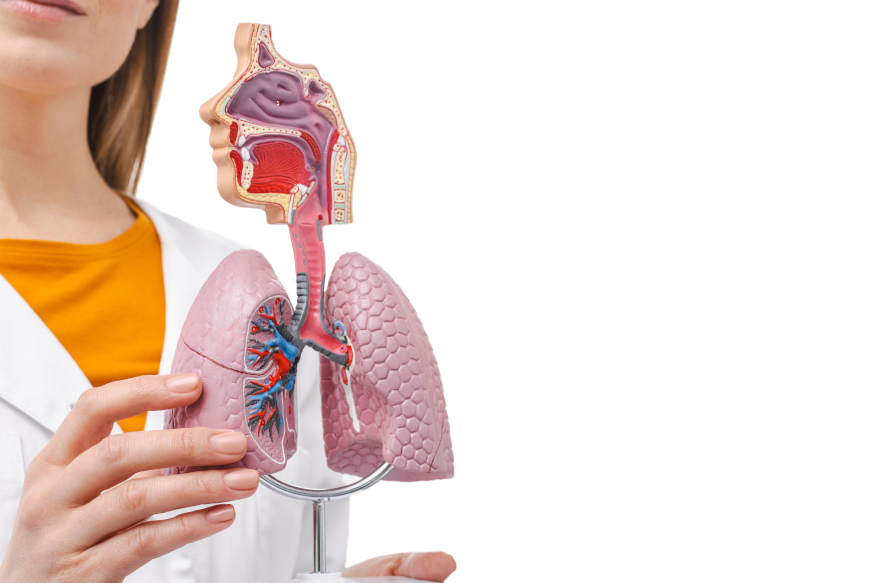

Chronic obstructive pulmonary disease (COPD) is the third leading cause of death worldwide, affecting an estimated 392 million people globally and approximately 10.3% of adults aged 30-79. In value-based primary care, the condition presents a persistent recognition challenge: emphysema identified on CT imaging frequently precedes the decline in pulmonary function tests used for formal diagnosis, and chronic bronchitis in at-risk populations is commonly underrecognized and undercoded. Acting on early signals including risk factors, chronic productive cough, and CT findings, before PFT-confirmed decline, enables timely intervention and meaningfully improves long-term outcomes.
AAVBC's COPD Quick Reference Guide equips primary care clinicians and care teams with a comprehensive, evidence-aligned reference covering ICD-10 coding specificity, GOLD 2026 staging criteria, spirometry and CT documentation thresholds, recognition of early and atypical presentations, exacerbation management, therapy escalation, inhaler and pulmonary rehabilitation guidance, comorbidity screening, and MEAT documentation standards. Grounded in current GOLD and CHEST guideline evidence, this QRG supports consistent, individualized clinical decision-making, helping care teams recognize COPD earlier, document disease specificity accurately, and coordinate care with the continuity that durable outcomes require.
AAVBC’s Deep-Dive series offers a comprehensive, structured analysis of COPD — moving far beyond quick-reference essentials. These guides provide an integrated review of epidemiology, diagnostic strategy, staging, coding logic, MEAT-aligned documentation examples, treatment guidelines, review vulnerabilities, and cost-utilization considerations. The Deep-Dive combines evidence-informed clinical guidance with practical operational tools to support a deeper understanding of disease complexity and provide multidisciplinary teams with strategies to thrive within value-based frameworks.